How a VA Keeps Your Insurance Agency Audit-Ready
Introduction
Compliance is essential for insurance agencies. It affects every part of the business, including training, document retention, role boundaries, and proving that everyone follows the rules.
However, many agencies only pay attention to compliance once a year. Training records get scattered, escalation paths are undocumented, and audit folders become messy. When regulators request documents, staff often scramble through emails and shared drives.
It doesn't have to be stressful. A trained virtual assistant can manage the systems that keep an agency compliant. While they don't make legal decisions, they track, organize, and document ongoing work — providing the kind of insurance compliance support that turns audits from chaos into routine. With an organized approach, audits become manageable and less overwhelming.
Track Compliance Training Completion for Your Team
Agencies must keep up with required training, such as HIPAA refreshers, state insurance rules, cybersecurity, and policy attestations. Tracking who has completed each training and when is a task in itself.
A VA can set up a simple compliance training tracking system using tools like Google Sheets, the agency's CRM, or another platform. They create a master list of all required training, how often each is needed, and which roles must complete them. Each employee is matched with the training relevant to their job.
The VA monitors completion dates, sets calendar reminders before deadlines, and follows up with team members who are nearly overdue. When someone submits a signed attestation or training certificate, the VA immediately reviews, files, and updates the log.
Each quarter, the VA prepares a compliance summary for leadership. The report shows completion rates, overdue items, and trends that need attention. According to Lava Automation, structured training and clear documentation are what reduce errors and rework in insurance operations — the same principles apply to compliance training tracking, where a missed renewal or expired attestation can create real audit risk. Agency owners no longer have to search for missing forms or wonder who still needs to complete training, as the VA keeps everyone informed.
"A good compliance system isn't about micromanaging the team. It's about ensuring important details are addressed before a regulator checks in."
Set Clear Guardrails for VA Compliance Tasks
One major compliance risk with virtual support is role confusion. A VA may not realize that answering certain client questions requires a license or that accessing specific files violates data-handling rules.
A clear set of guardrails helps prevent these mistakes. The VA, together with agency leadership, documents exactly what virtual assistants can and cannot do. The list is specific, covering tasks that need a license, decisions reserved for agents, and activities involving regulated client information.
The guardrails document is formatted for quick reference with categories and bullet points. It is stored in a central, easy-to-access location such as a shared Google Drive folder, Notion, or the agency wiki, so every VA and leader can find it.
When a new VA joins, the document is included in their onboarding. Current VAs are reminded to check it whenever they are unsure. As regulations and responsibilities change, the VA regularly reviews and updates the document with leadership.
With clear guardrails in place, VAs can confidently handle their VA compliance tasks within proper boundaries, and leadership knows that boundaries are clear and consistently followed. For agencies handling PHI, those guardrails also need to be backed by a HIPAA and SOC 2 compliant VA for insurance.
Create Escalation Workflows for Licensed Staff
Even with clear guardrails, some situations will need a licensed professional. The important thing is to identify these situations quickly and route them correctly, without delay or confusion.
An escalation workflow provides that structure. The VA works with leadership to define specific triggers that require escalation, such as complex client questions, regulatory inquiries, compliance concerns, or any task explicitly outside the VA's permitted scope.
For each trigger, the workflow documents:
Who to notify: The specific licensed staff member or department responsible.
What information to provide: Client name, policy number, summary of the issue, and any relevant documents.
How to submit: The preferred channel, such as a dedicated Slack channel, a flagged email subject line, or a task in the CRM.
Expected timeline: Whether the escalation should happen immediately or within a set timeframe, such as within one hour.
The VA creates supporting tools, such as a one-page escalation checklist or a simple flowchart, so team members can follow the steps easily. They also keep an escalation log that tracks each issue, the steps taken, and the final resolution. Leadership reviews the log regularly to spot patterns and improve the process.
With escalation workflows in place, sensitive issues are routed to the right person without delay. The agency can confidently demonstrate its procedures during an audit.
Organize Audit-Ready Folders for Your Agency
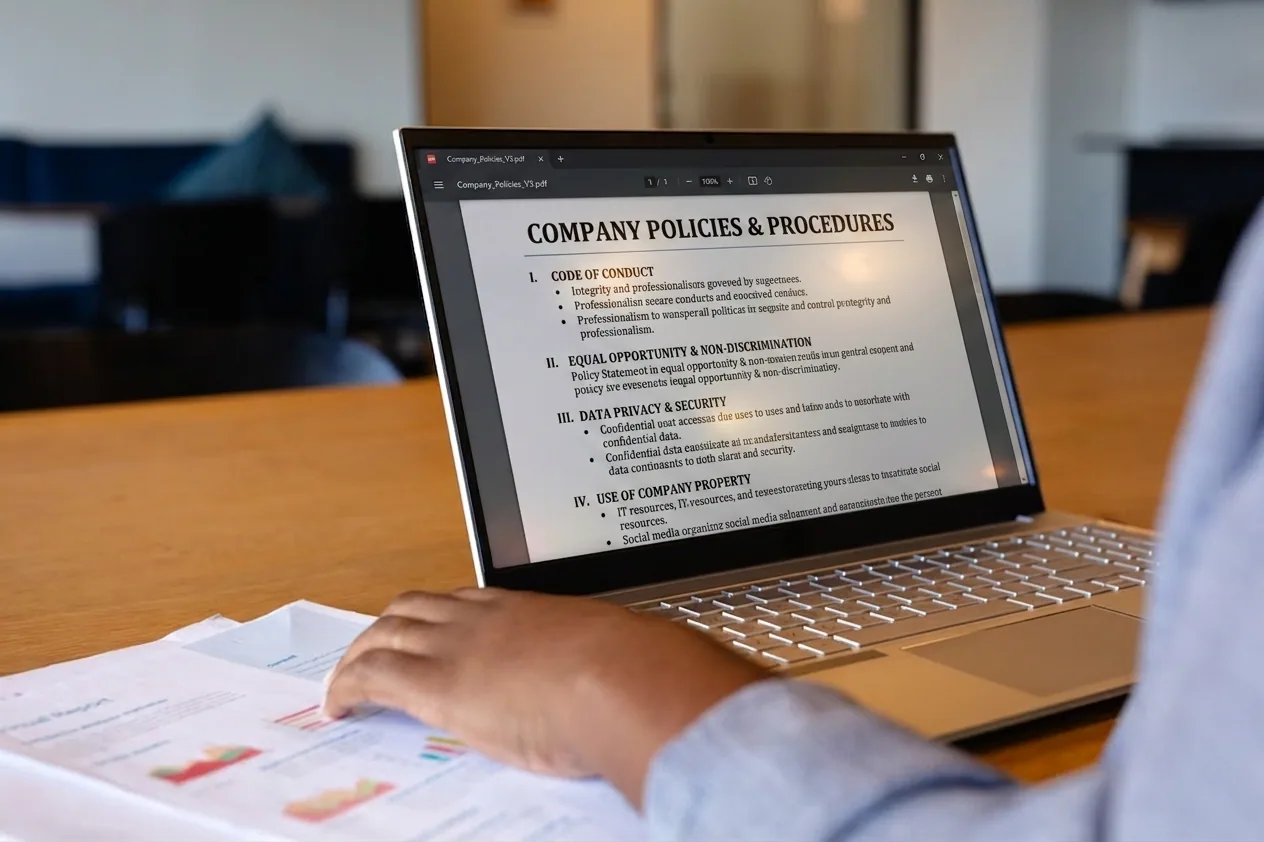
Audits are stressful enough without having to search for documents. Agencies that can quickly provide training logs, policies, SOPs, and sign-off forms appear organized and prepared. When teams scramble to find paperwork, it can create the opposite impression.
A VA can set up and maintain audit-ready folders with everything needed for a regulatory review. According to TechTarget, consistent file naming, structured folders, and access controls are core best practices for document management — exactly what regulatory reviews depend on. The structure is simple and logical:
Policies: Company policies, compliance manuals, and code of conduct.
SOPs: Standard operating procedures for all key processes.
Training Logs: Completion certificates, training records, and attestation forms.
Checklists: Compliance checklists, audit preparation checklists, and sign-off forms.
Audit History: Records of past audits, findings, and corrective actions.
Within each subfolder, documents are sorted by year and clearly named with version numbers, such as "2025-03-03_DataPrivacyPolicy_v2.1."
The VA also conducts internal readiness reviews by setting recurring reminders to ensure everything is complete, up to date, and easy to find. When an external audit occurs, the agency is ready. The auditor receives a clear, well-organized folder right away.
How a VA Keeps Compliance Running Long-Term
When training tracking, guardrails, escalation workflows, and audit-ready folders work together, compliance becomes a smooth part of daily agency operations rather than a constant worry.
The VA manages the system. They don't make compliance decisions, but they make sure all documentation is in place, boundaries are clear, and every escalation follows a set process. Leadership keeps full oversight but is free from the burden of chasing forms and organizing files.
With these systems in place, audits feel more manageable, new hires adjust more quickly, and the team knows what's expected of them. Insurance compliance support runs in the background until it's needed, and the agency can respond confidently.
Ready to Make Compliance Easier for Your Agency?
Agency owners didn't start their businesses to become compliance administrators. Their focus is on serving clients and building the business. A trained VA handles the documentation, tracking, and workflows that keep an agency compliant, so owners can focus on the work that matters most to them.
You don't need to build an entire compliance system at once. Start with a single audit-ready folder, such as one for training logs. A VA can gather all current training certificates, create a spreadsheet to track completion dates, and set reminders for upcoming deadlines. Getting this one area organized offers immediate peace of mind and gives a model for organizing other parts of compliance.
Talk to an expert at SecureEVAs today and find out how a VA could support your agency's compliance systems. No pressure — just a conversation about what's possible when your systems run themselves.