Delegate Admin Work to a Virtual Assistant Securely
Introduction
You want help. You know you do.
The admin work keeps piling up: policy renewals, client follow-ups, certificate requests, data entry, and scheduling. Every one of those tasks takes up time you need for growth. And yet you hold back. Not because you do not want support, but because a specific fear stops you every time.
What happens to your client's data when someone else touches it?
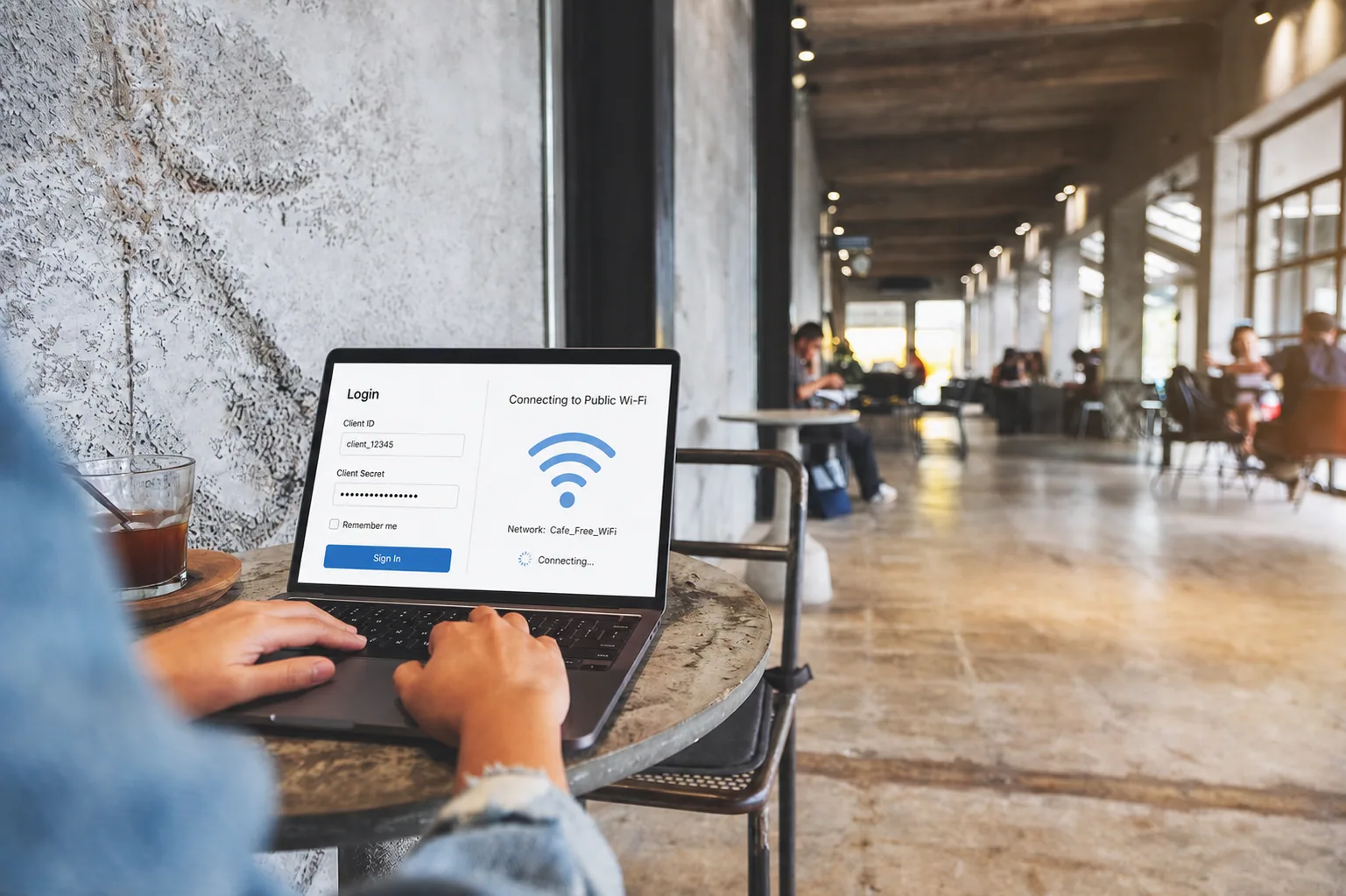
You picture a VA logging in from a coffee shop on a personal laptop. You imagine a shared login drifting across three other client accounts. You wonder whether the person handling your PHI (Protected Health Information, the sensitive health data regulated in the insurance and healthcare industries) has ever completed a HIPAA (Health Insurance Portability and Accountability Act) training. You think about what one wrong click could cost: a breach notification, a regulatory fine, a client who never returns.
Those fears are not irrational. They are specific. And they deserve a specific answer.
Here is the one most agency owners miss: the security risk in VA setups almost never comes from deliberate theft. It comes from disorganization. And a well-structured delegation process does not increase your risk. It reduces it. The right approach to insurance data security with a virtual assistant turns delegation from a liability into a safeguard.
Why the Real Security Risk Is Disorganization, Not Delegation
Consider how most agency owners currently manage sensitive tasks. Client PII (Personally Identifiable Information, including names, addresses, Social Security numbers, and policy data) sits in email threads. Policy documents live in shared drives with no access logs. Passwords get texted to part-time staff. Screenshots of client information travel across personal phones.
That is the actual security exposure. Not delegation. Chaos.
Most security breaches in VA setups come from unmanaged access and unknown devices, not intentional data theft. When you bring on support without a clear protocol, you create gaps. You do not know who has access to what, when they accessed it, or whether you removed that access when the work was done.
The agencies that avoid delegating because they fear a security breach often run looser internal systems than the VA firms they are avoiding. The problem is not getting help. The problem is getting help without structure — and that is exactly where secure VA delegation changes the equation.
What Secure VA Delegation Actually Requires
Safely delegating sensitive work is not complicated. But it does require intentionality. Here is what a secure foundation for virtual assistant data protection looks like:
Access controls. The right person should access only what they need for the specific task at hand. Every login should be unique, tracked, and revocable the moment the work is done.
Dedicated devices. No personal laptops. No shared machines. If your EVA handles PHI or PII, it needs a device designed solely for that purpose, on a network built for it.
Clear SOPs (Standard Operating Procedures). Security is not a feeling. It is a documented process. What does the EVA do with client information after completing a task? Where does it go? Who can see it? What happens if something looks wrong? Every answer needs documentation before the work begins.
Defined personnel with high retention. Every time a staff member leaves, you face potential data exposure: residual access, forgotten credentials, institutional knowledge that walks out with them. A high-retention team is not just a quality indicator. It is a security one.
How SecureEVAs Builds Security Into Every Delegation
SecureEVAs designed its entire model around the concerns above. This is not a compliance layer added on top of a staffing service. It is the foundation.
Dedicated Devices and Workspaces
Every EVA at SecureEVAs works on a dedicated virtual machine. No personal devices. No shared logins. The work environment is purpose-built, which means nothing crosses into or out of a personal digital life.
HIPAA Certification at the Individual Level
Every individual EVA holds a HIPAA certification. Not the company as a whole. Each person. That means the EVA on your account has personally completed HIPAA training and passed certification. SecureEVAs operates with HIPAA-aligned workflows to support your compliance goals, and every team member understands exactly why those workflows exist and how to follow them. This is what HIPAA safe delegation actually looks like in practice.
SOC 2 Type 2 Independently Audited Controls
SecureEVAs also holds a SOC 2 Type 2 certification. SOC 2 Type 2 (System and Organization Controls 2, Type 2) means an independent auditor reviewed SecureEVAs over an extended period and verified that access controls, security monitoring, and incident response work in practice, not just in a policy document. That audit happens annually.
97% Retention Rate
SecureEVAs maintains a 97% retention rate. Every personnel change creates a security event: access to grant, credentials to revoke, new training to complete. With a 97% retention rate, those transitions happen rarely. The EVA who starts with your account is almost always the one who stays.
First-Month Onboarding Support
In the first month, you receive five business consultant check-ins. Not to manage you, but to ensure the SOPs are right, the access is scoped correctly, and the delegation process runs as it should from day one.
Three Steps to Delegate Admin Work Safely
You do not need to overhaul everything at once. Start here:
Step 1: Audit your current data exposure. Before you bring on any support, map where your client data lives today. What systems hold PHI? Who has access right now? Are any credentials shared? You cannot protect what you have not accounted for.
Step 2: Define the task before you define the person. Write out the specific admin tasks you want to hand off. Then identify what data access each task requires. Scoping access to the task, not the person, is how you keep risk contained.
Step 3: Choose a partner whose security infrastructure matches your risk profile. If you work in insurance or healthcare-adjacent services, a general VA marketplace is not built for your needs. Choose a firm that has already solved the structural problems: dedicated devices, individually certified staff, independently audited controls, and a documented incident response plan.
Ready to Delegate Without the Risk?
Security is not the reason to avoid delegation. It is the reason to do it right.
Agency owners who refuse to delegate due to security concerns are not wrong to worry. They are wrong about the solution. Avoidance does not make your data safer. A structured, certified, well-monitored delegation process does.
SecureEVAs exists for the agency owners who want both: the capacity to scale and the confidence that client data stays protected at every step.
You do not have to choose between getting help and staying secure. You just have to choose the right partner.
Talk to an expert at SecureEVAs today and see how secure delegation can give your agency the support it needs without the risk.